
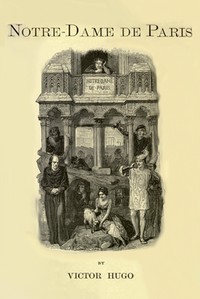
Notre-Dame de Paris by Victor Hugo
Let’s clear something up first: this isn't just Quasimodo's story. Victor Hugo’s masterpiece is a grand, messy, and passionate portrait of an entire city, with the magnificent Notre-Dame cathedral at its center.
The Story
The year is 1482. In the shadow of Notre-Dame, lives collide. There's Esmeralda, a radiant Romani dancer whose kindness captivates everyone. Quasimodo, the cathedral's deformed and deaf bell-ringer, is devoted to his stern guardian, Archdeacon Claude Frollo. But Frollo is consumed by a forbidden desire for Esmeralda. When she rejects him, he sets in motion a tragic chain of events. Quasimodo, ordered by Frollo, tries to kidnap her but is caught and brutally punished. In a stunning moment of compassion, Esmeralda is the only one who offers Quasimodo water during his public torment, forging a bond that changes him forever.
The story spirals from there—through wrongful accusations, desperate rescues, and secret loves—all while the city of Paris, with its beggars, scholars, and nobles, churns around them. The cathedral isn't just a backdrop; it's a sanctuary, a prison, and a silent witness to it all.
Why You Should Read It
Hugo makes you feel the stones of Notre-Dame. He'll spend pages describing a gargoyle or the layout of the city, not to bore you, but to make you understand that this place is alive. The characters are giants of emotion. Quasimodo’s journey from isolated monster to a man capable of profound love is heartbreaking. Frollo is a terrifying and fascinating villain because his battle is internal—a war between his faith and his obsession.
But the biggest theme is time. Hugo wrote this partly to spark a movement to save the decaying cathedral. He’s shouting from the page: Look at this beauty we are losing! The book is a love letter to history and art, arguing that our buildings hold our collective memory.
Final Verdict
This book is perfect for anyone who loves getting utterly lost in a world. It’s for readers who don't mind a few descriptive detours if it means the setting becomes a character itself. If you enjoy epic stories about outcasts, impossible love, and the fight between beauty and destruction, you’ll find it here. Just be ready for a story that’s grand, gloomy, and deeply, deeply human. It’s a classic that truly earns the title.
This masterpiece is free from copyright limitations. Share knowledge freely with the world.
Charles Young
1 year agoThe index links actually work, which is rare!




Liam Clark
6 months agoI was skeptical at first, but the emotional weight of the story is balanced perfectly. I learned so much from this.