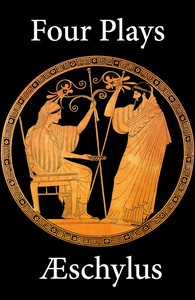
Four Plays of Aeschylus by Aeschylus
When people talk about 'the Greeks,' they usually mean Sophocles or Euripides. But before those guys, there was Aeschylus—the guy who basically invented drama as we know it. Four Plays of Aeschylus is like sitting down with a time machine to the very first thrillers, horrors, and courtroom dramas. Fair warning: these aren't light reading. These plays have teeth.
The Story
Picture The Persians: a Greek city watching an epic fleet sink because one king messed with the gods. Then Prometheus Bound: a Titan chained to a rock for giving humans fire—literally stuck in cosmic torture. But the real killer is the trilogy (most of it): Agamemnon, Choephori, and Eumenides.
A soldier-king returns from war—decorated, arrogant. His wife? She's been stewing for a decade, plotting murder. And when she stabs him in the bath? That's just Act 1. Their son? He has to kill her (YIKES). But the Furies—ancient spirits of vengeance—demand his soul. It gets messy. Gods get involved. And it all ends in a trial—debating if punishment or mercy makes a civilization human.
Why You Should Read It
Honestly? Because it's about stuff that never gets old: family drama that drags you into ruin, the question of when violence is 'just,' and the haunting idea that our choices set curses spinning. Aeschylus doesn't let anyone off the hook. Agamemnon is terrifying because you kinda understand her rage. Prometheus is tragic because he knew everything yet stayed noble. There's no simple hero—there's grief, pettiness, and a cranky Greek choir spinning advice. I personally love how the plays believe revenge isn't justice—you have to choose something higher. That's deep. But the writing is swift: curses delivered like gossip, confrontational battles of wit, overblown speeches that still carry today. Plus, the translation in this edition? Keeps the fire.
Final Verdict
This ancient stuff isn't for everyone—some find the language tricky at first. But if you like anything from Game of Thrones to The Big Lebowski (because that has dumb nobles and complicated justice), give this a try. Perfect for: new curious readers wanting the original messy families; anyone tired of safe contemporary fiction; people interested in justice vs. bloodshed debates up for another round. If you skip this, you skip a root-and-branch understanding of Western drama. Minor downsides: it's dense, not a tiptoe page-turner, but you can chew lines like weird ancient chocolate. Do yourself—and your brain—a favor: sit with these ghosts. They yell loudly, but right. I rave to everybody who loves stories that leave a bruise.
This digital edition is based on a public domain text. Share knowledge freely with the world.